
Microcement Floors

Microcement Floors: Seamless. Durable. No grout lines.
One continuous surface over your existing floor. No demo in most cases, just 2 to 3mm thick, and tough enough for kitchens, hallways, and busy living spaces. Find a certified installer near you, or get trained to install it yourself.
-
01
Goes over your existing floor
Suitable substrates require inspection and preparation. Plywood needs an approved reinforced assembly; existing wood flooring is not a general approved substrate.
-
02
No grout lines; retain required joints
One clean, continuous surface from wall to wall. The seamless look that tile and plank floors can't match.
-
03
Built to take traffic
Select the complete system for expected traffic. Substrate preparation, reinforcement and movement joints matter; no coating can guarantee a crack-free floor.
-
04
Works with underfloor heating
Thin and conductive: heat comes through fast. A great match for heated floors.
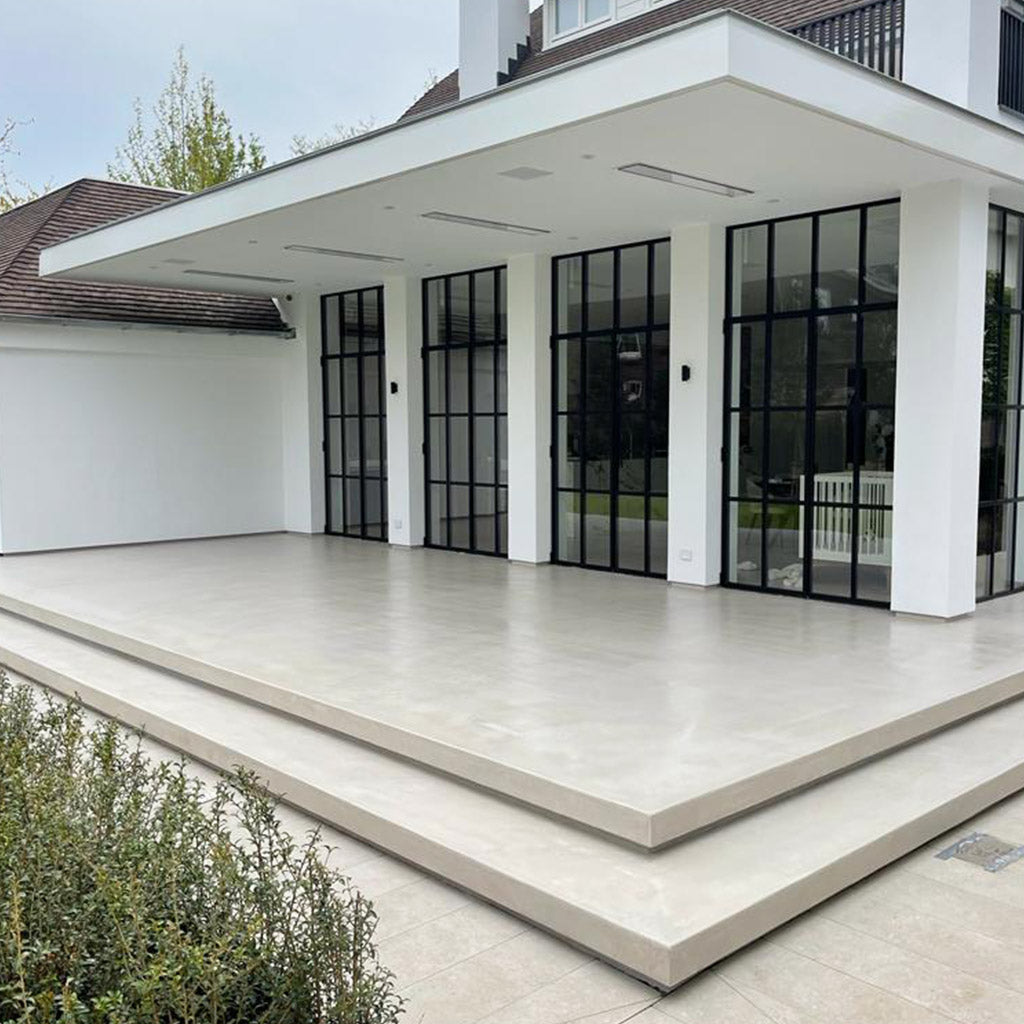
A thin cement finish, hand-troweled over what you already have.
Microcement is a thin, hand-applied cement coating. An installer must assess the existing floor, adhesion, moisture and movement before specifying preparation. Plywood requires an approved assembly; demolition requirements depend on substrate condition.
The result is one seamless surface with the warm, modern look of polished concrete, but lighter and far thinner. It works in living rooms, kitchens, hallways, bedrooms, and commercial spaces: anywhere you want a clean floor with no grout lines to scrub.
One floor system, room to room.
Living & dining
A seamless base for open-concept spaces. Warm underfoot, easy to clean, no transitions between rooms.
Kitchens
No grout to stain. Spills wipe up. Holds up to the busiest room in the house.
Bathrooms & wet areas
For bathrooms, specify the complete wet-area assembly, waterproofing details and sealer. Retain required movement joints and transitions.
Commercial floors
Showrooms, cafes, studios, retail: a durable, on-trend floor that installs over the existing slab.
Want it installed, or want to install it?
I want microcement floors in my space
Homeowner, designer, or builder? We'll connect you with a certified Microcement USA installer in your area. Every installer in our network trained hands-on with us, so you get consistent, professional results.
Find a Certified InstallerI'm in the trades and want to install it
Painters, tile setters, concrete pros, and remodelers: microcement floors are a high-margin service most contractors can't offer. Come to our hands-on training, get certified, and your training fee comes back as product credit on your first order.
Get Certified to InstallLooking for a microcement floor installer near you?
Tell us about your project and we'll match you with a certified installer near you. The quote is free.
Get a Free QuoteCommon questions about microcement flooring.
Can microcement go over my existing floor?
It can be installed over suitable, prepared substrates after inspection. Plywood requires an approved reinforced assembly. Existing wood flooring is not generally approved, and loose or moving surfaces must be corrected first.
Are microcement floors durable enough for high-traffic areas?
Use the specified floor system and sealer for the expected traffic. Substrate movement can still cause cracking; reinforcement does not replace movement-joint design or structural repairs.
Do microcement floors crack?
Cracking remains possible if the substrate moves or preparation is inadequate. Use the specified reinforcement and retain required joints. Active cracks and structural movement need assessment before application.
Can it go over underfloor heating?
Yes. It's thin and conductive, so the heat comes through quickly. It's a great match for heated floors.
How much does a microcement floor cost?
Installed pricing from certified installers usually runs $30 to $75+ per square foot depending on the substrate, prep, and finish. Because it goes over what's already there, you often save on demo and disposal.
Ready for a seamless floor? Let's get you started.
Find a certified installer near you, or get trained to install microcement floors yourself.